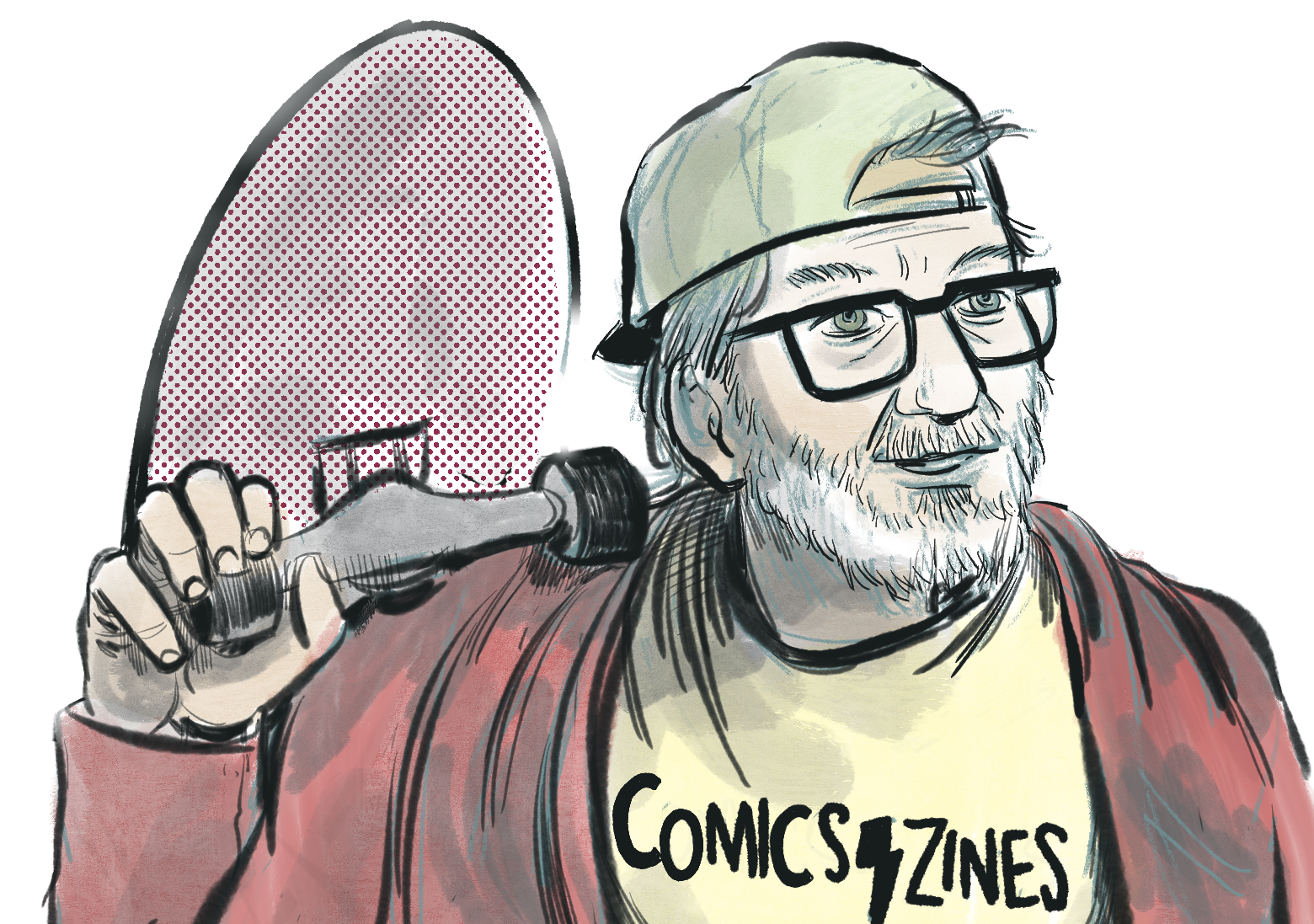
Hi! I'm Scott Marshall, artist/owner of Black Rocks Books. I have been asked a number of times over the years to do presentations and workshops on making comics, for pretty much all ages. Now that I have studio space at The Yellow Door in Saint John with access to a larger "warehouse" for events, I want to host regular comics making sessions for anyone who wants to start making comics or upgrade their skills or just hang out with other cartoonists. The following modules will be available as printable downloads and will be discussed in upcoming workshops. But if you can't make it to a workshop, there's no need to wait - download the ones that interest you, choose the tools you want to try next, and get started!
|
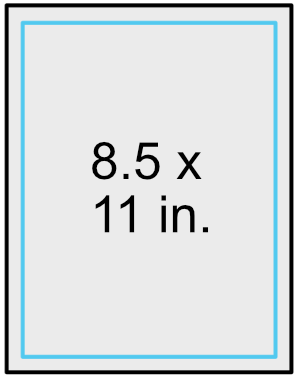
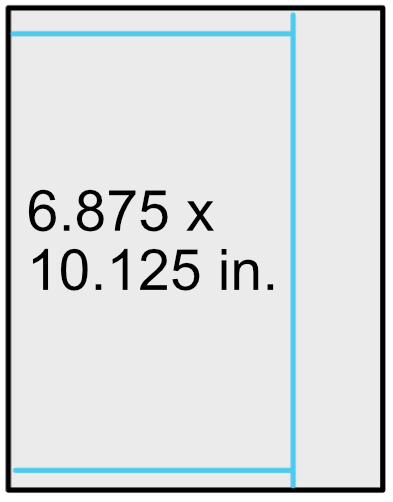
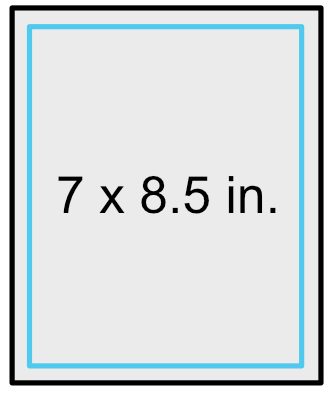
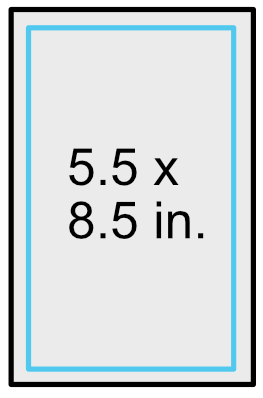
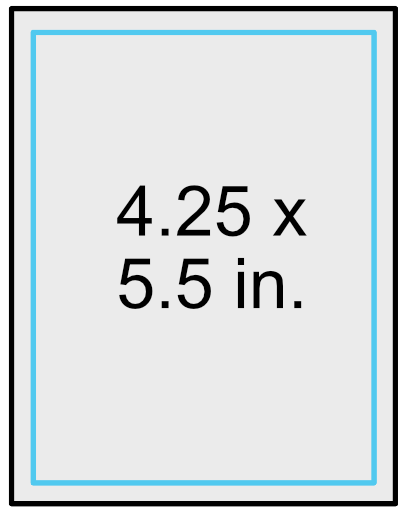
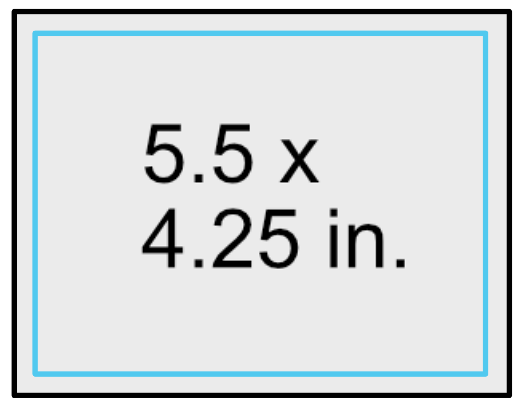
Get started with some free templates!These are pre-marked sketchbooks and blank comic books that you can use to design your own stories! Print them at home or order them from BRB. Each template includes a printable PDF with basic grid markings, 6 panel grids and 9 panel grids, plus the Affinity source file so you can tweak it for your own needs.
| |||||||||||||||||||||||||||||||||||||||||||||||||||||||||||||||||||||||||||||||||

Black Rocks Books is a micropress and zine distro run by Scott Marshall. It exists to promote and celebrate comics and illustration created in Atlantic Canada (or by our expats and imports). If you have any issues or questions, please don't hesitate to contact me via email at paymentstobrb@gmail.com or ask in the BRB Discord. You can follow @blackrocksbooks on Bluesky. If you want to follow my art stuff as well you can follow @scottmarshall on BlueSky.
Black Rocks Books operates gratefully in Menaquesk (English: "Saint John", French: "Saint-Jean"), the ancestral territory of the Wolastoqiyik and Maliseet people.
We also acknowledge that people of African descent have been in Atlantic Canada for over 400 years, and we honour and offer gratitude to those ancestors of African descent who came before us to this land.
This site is always under construction, and I am the tenth doctor of this life. Please bear with me.
The artwork shown on this site is copyright ©2026 by its respective creators.Everything else on the site is copyright ©2026 by Scott Marshall unless otherwise indicated.
All rights are reserved. Contact: paymentstobrb@gmail.com